Nookquo
Creating a Low-Muss, High-Reward Water Garden: A Practical Guide for British Gardens
A practical guide to building a calm water garden with durable pond plants, simple layouts, and reliable maintenance routines.
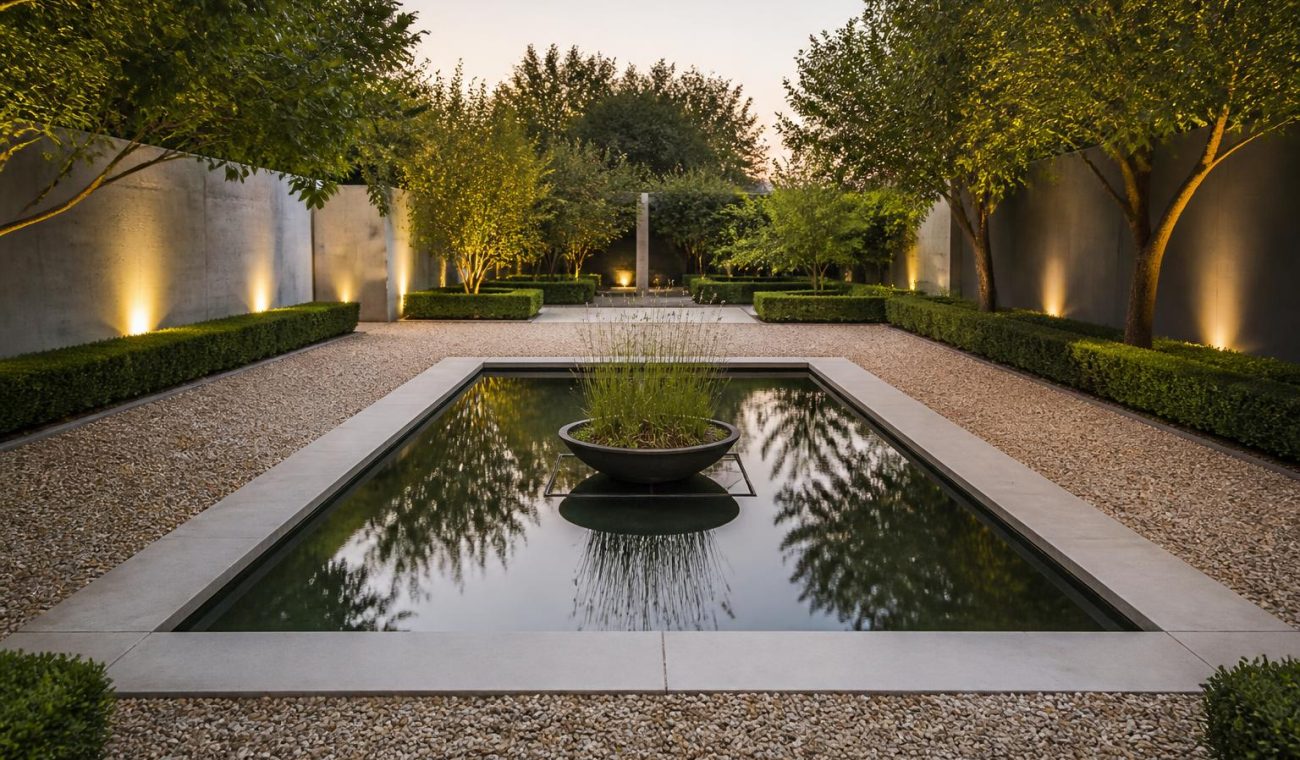
Planning a resilient water garden for small spaces
Start with a clear vision of a calming water feature that suits a compact yard while avoiding high maintenance. Choose a sturdy pond with a liner or preformed shell, sunk slightly to reduce glare, and plan a noise-minimizing border. Include shallow shelves for marginal pond plants and deeper zones for water lilies, ensuring access for seasonal care. Buy Pond Plants Online to select resilient British pond plants that thrive in cool, damp climates and local light conditions.
Map out pathways around the pond so you can reach every planting area without stepping onto fragile soil. Consider wind exposure and how it affects water surface evaporation, then add a narrow planting edge to soften the liner outline. Choose a soft colour palette using green, bronze, and variegated foliage to reduce visual noise and attract wildlife without overpowering the space.
Choosing water lilies and marginal pond plants
Water lilies provide high drama with glossy leaves and fragrant blooms, yet they require careful depth management. Position hardy water lilies with crowns just below the surface in still, sunlit zones while avoiding shade from overhanging trees. For best results, use a pond basket filled with a heavy soil mix and a slow-release fertilizer tablet midway through the growing season, then monitor water quality regularly for clarity and nutrient balance.
Marginal pond plants help bridge the water’s edge with bank-friendly roots and attractive foliage. Place both moisture-loving grasses and compact iris varieties at the water’s edge to create a natural transition from land to water. Regularly trim and divide crowded clumps to prevent stagnation, ensuring that roots do not invade aquatic bog areas and that air circulation remains efficient around the plantings.
Creating a wildlife-friendly ecosystem
Introduce a balance of aquatic and marginal varieties to attract beneficial insects, dragonflies, and hovering pollinators. Leave gentle pockets of open water for wading birds and frogs, and install a shallow rock shelf to provide basking spots while keeping edges accessible for maintenance. Implement a simple seasonal routine: remove fallen leaves, check aeration, and monitor algae growth so the ecosystem remains healthy and visually calm.
Use stacked stones or log sections to create microhabitats that shelter tiny aquatic life and provide visual interest. Plant a mix of evergreen and deciduous foliage to ensure year-round structure, and avoid overcrowding which can create dead zones. A thoughtfully arranged plant palette helps natural predators manage pest populations without chemical intervention.
Seasonal care and maintenance routines
Establish a monthly calendar that aligns with the local climate, prioritizing de-weeded margins, debris removal, and inspection of pump and filter equipment. Early spring is ideal for awakening marginal plants; mid-summer requires vigilant algae control; autumn calls for dividing clumps and storing sensitive pieces for winter. Consistent maintenance reduces disease risk and supports a more stable pond balance throughout the year.
Invest in a simple test kit to track pH, ammonia, nitrate, and nitrite levels, then adjust with safe amendments tailored to British pond plants. Keep replacement parts on hand for pumps and filters, and prepare a light winter protection plan for tender species. Pleasant, predictable routines yield a healthy pond with vibrant foliage and clear water without excessive effort.
Design tips for a natural, structured look
Use a gradient approach where larger, taller plants form the backdrop and smaller, dipping types fill the foreground, echoing a natural shoreline. Carefully select container sizes and depths to maintain visual balance and avoid crowding, which can trap moisture and invite pests. Consider using a monochrome palette of greens and bronzes to unify textures while allowing occasional seasonal blooms to pop.
Integrate pathways around the pond using natural materials like timber decking or pea gravel to encourage gentle movement and reduce soil compaction. Add a few reflective elements, such as a small mirror or polished stones, to enhance light play on the water surface.This approach creates a tranquil, garden-wide narrative without shouting color or form.
Troubleshooting common pond plant issues
Symptoms such as yellowing leaves, stunted growth, or murky water often point to nutrient imbalances, root crowding, or insufficient light. Carefully prune crowded marginal plant edges to improve airflow, then replant with spacing that allows each crown to receive light. For water lilies, ensure the canopy isn’t shaded by overhanging branches and that their pots sit at the correct depth for blooms to emerge reliably.
Algae growth is frequently linked to excess nutrients and sunlight; reduce feeding for fish and remove excess debris. Improve circulation with a reliable pump schedule and consider adding marginal plants that naturally take up excess nutrients. If pests are detected, respond quickly with targeted, non-chemical controls to protect beneficial pond life.
Final thoughts: making a British pond plant-filled oasis
With careful planning, a few hardy choices, and routine maintenance, a small garden pond can become a quiet oasis that elevates your space and supports local wildlife. Focus on a cohesive planting strategy that uses pond plant varieties suited to your climate and sun exposure. The result is a durable, charming feature that enhances your outdoor room while staying manageable through the seasons.
Remember to vary textures and heights to create visual depth, and to select species known for longevity in cooler conditions. A balanced mix of water lilies, marginal pond plants, and complementary textures yields a living tapestry that remains vibrant year after year without excessive intervention.