Nookquo
Comparing Next-Gen Red Light Systems: Practical Gains from Advanced Red Light Technology
Introduction — why this matters, right?
Have you ever stood under a clinic light and wondered if it was doing anything real? Advanced red light technology is popping up everywhere, from home devices to clinical rigs, and the data is starting to show real effects. I’ve looked at studies and device specs (some of them surprising) — the numbers on absorption and recovery times are not trivial. So, what should a sensible person consider before investing time and cash into one of these systems?
Where the old approaches trip up
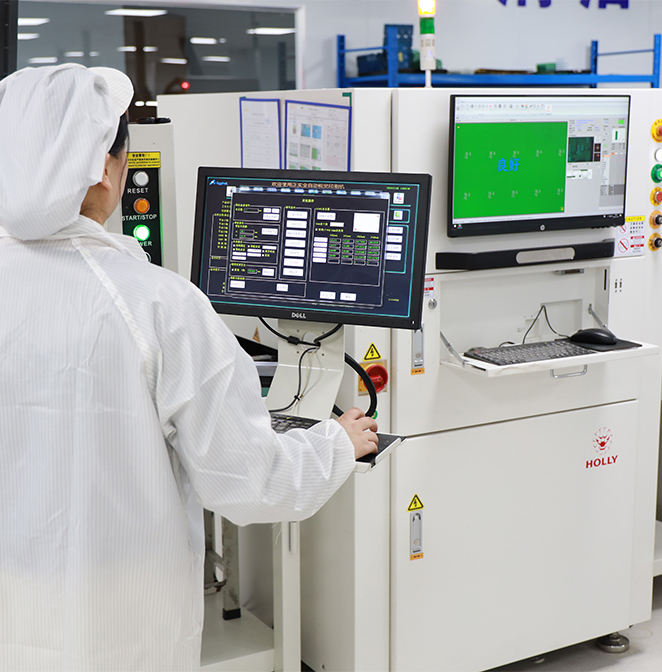
whole body light therapy gets a lot of headlines, but the industry still leans on habits that don’t always help users. Let me break it down technically: many legacy units trade off spectral control for brute-force intensity. That sounds fine on paper, yet photobiomodulation depends on wavelength and dose as much as power. I’ve seen clinics rely on single-band LED arrays and expect the same outcomes as tunable systems — that mismatch costs time and trust. Also, power converters and thermal limits are often shoehorned into designs, which throttles consistency (and annoys technicians).
What specifically fails?
When I audit setups, common flaws jump out. Poor spectral irradiance control, inadequate cooling, and simplistic user interfaces top the list. These issues lead to variable results — patients get inconsistent sessions, and operators waste cycles troubleshooting. Look, it’s simpler than you think: a well-designed system pairs spectral tuning with stable drive electronics and clear session feedback. Without that, even a high-output lamp becomes a blunt tool rather than a precise instrument for healing.
Future directions: principles and practical choices
Moving forward, I favour two paths: smarter devices that manage dose per area, and better user feedback so people actually understand what’s happening. For whole body light therapy — yes, I’m linking it again because it’s central — a system that reports effective dose, adjusts for skin tone, and keeps spectral fidelity will change outcomes. Manufacturers need to think about edge computing nodes for local control, adaptive firmware and straightforward UX. Those are the principles that lift practical utility, not just flashy specs.
What’s next in real-world terms?
Here’s how I’d compare options if I were choosing for a clinic tomorrow: first, measure spectral accuracy across the treatment surface; second, ensure thermal management keeps LEDs in their optimal band; third, prefer systems that log sessions and give simple metrics to users. These criteria cut through marketing noise. — funny how that works, right? I’m optimistic because we’re already seeing modular designs that do all three, and they bring consistency back into the room.
Practical advice: how to evaluate new systems (three clear metrics)
I’ll finish with three concrete metrics I use when I test or recommend devices — they’re practical, measurable and, importantly, understandable to non-engineers.
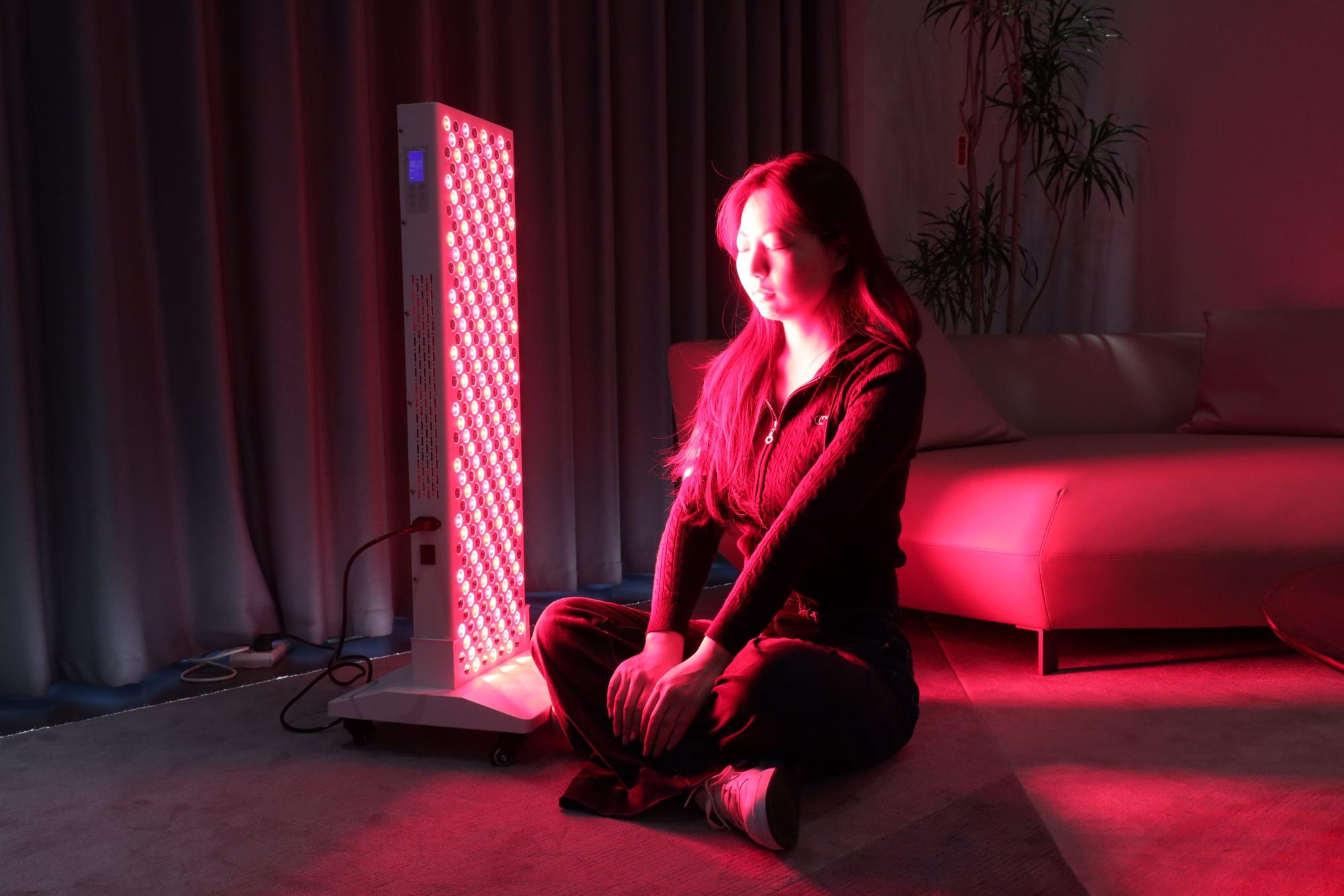 1) Spectral fidelity: Does the device maintain wavelength within a narrow band across the treatment area? Measure spectral irradiance maps, not just peak power. If it wanders, outcomes will too.
2) Dose consistency and logging: Can the system repeat the same dose session-to-session and record it? Session logs mean you can correlate outcomes. If a unit can’t prove repeatability, I don’t trust it.
3) Operational robustness: How well does the device manage heat and drive electronics (including power converters)? Look for real-world uptime figures and firmware that handles variability. A fragile device is a costly headache.
Weigh those alongside user comfort and setup time. I’ve learned — and I think you will too — that the best-looking spec sheet isn’t the same as the best tool for people. Take your time, ask for demo data, and prefer systems that explain their numbers plainly. For anyone wanting to dig deeper, I trust suppliers who publish irradiance maps and session logs. If you want a reliable partner in that space, check out Magique Power — they’re doing some sensible, grounded work without the hype.