Nookquo
Comparative Clarity: Choosing the Right Laser Fume Extraction for Cleaner, Safer Workshops
Introduction
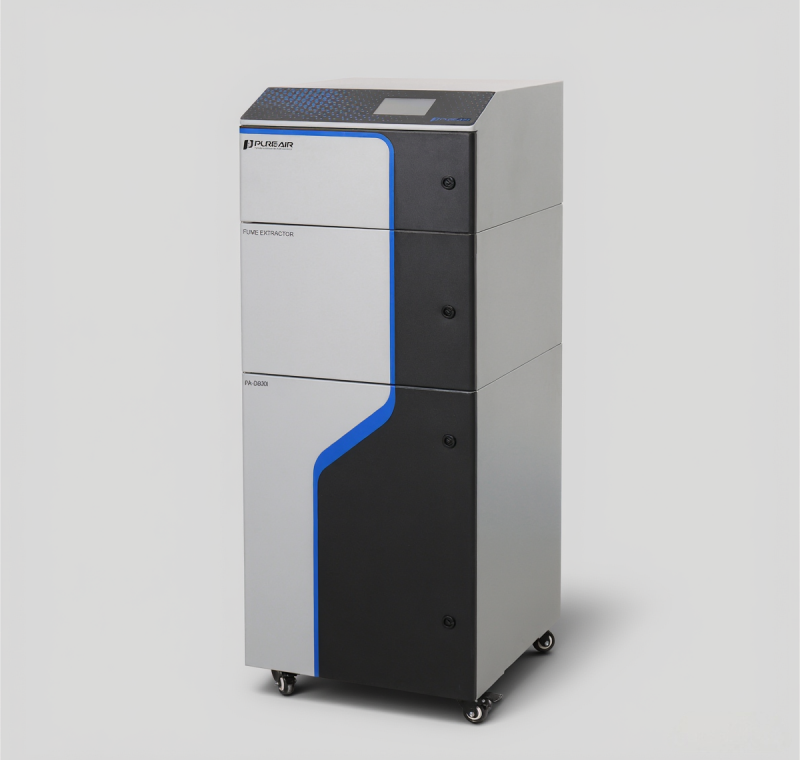
Have you ever noticed the thin haze that settles over a busy workshop and wondered if it's doing more harm than we realise? In many small fabrication shops and makerspaces, a laser engraver fume extractor sits near the machine—but placement alone doesn't solve the issue. (I see this all the time in local shops.) Recent measurements show spikes of particulate matter after short runs—PM2.5 levels can jump deceptively fast—so the real question is: are we picking the right systems, and why do some promised solutions fail in practice?
I'll admit I'm a stickler for details. When I visit a studio, I look for proper ducting, sensible airflow, and clear maintenance routines. Those things matter. They tell you whether the investment will protect health and preserve finishes, or whether it's just a loud fan and false comfort. Let's move on to what usually goes wrong and why the simplest comparison often misses the point.
 Why Typical Systems Fall Short — and What Users Secretly Suffer
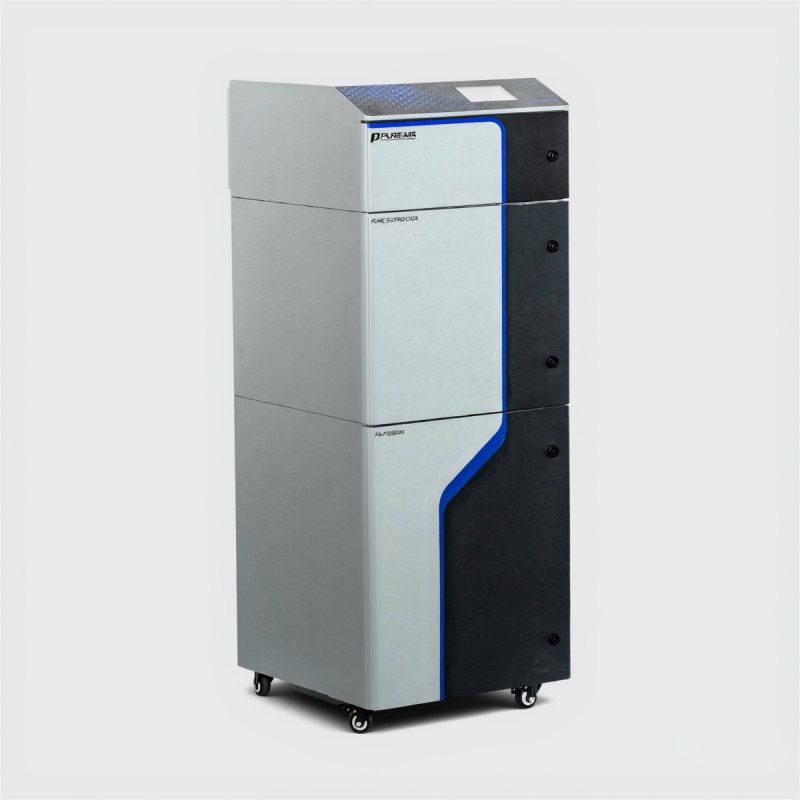
laser engraving fume extractor units are marketed heavily, and yet many operators report lingering odour, filters that clog too fast, and inconsistent capture at the nozzle. I'm frank about this: the problem isn't always the filter brand or the fan size alone. It's how the whole system — from blower motor to HEPA filter to the duct layout — is specified and used. In my view, one of the biggest flaws is treating extraction like an add-on rather than an integrated part of the workflow.
Why does that matter?
Look, it’s simpler than you think. If the intake is too far from the cut, or the hood geometry is wrong, containment fails. Pressure drops across long ducts and undersized power converters reduce effective airflow. Operators then crank the fan up, which wastes energy and shortens the life of the blower motor. Meanwhile, activated carbon packs get saturated and the unit no longer adsorbs VOCs. That combination causes recurring problems: poor air quality, higher maintenance costs, and staff frustration — frankly, it's annoying and avoidable. — funny how that works, right?
New Technology Principles for Better Extraction
Now let's be constructive. I want to outline principles that actually improve outcomes. Start with source capture: keep the intake close, shaped well, and matched to the machine's exhaust pattern. Then consider staged filtration — a pre-filter for larger particulates, a HEPA stage for fine particles, and an activated carbon stage for gases. Modern systems may also include sensors (particulate monitors) and simple edge computing nodes to log performance. These features create measurable control, not just noise.
laser engraving fume extractor manufacturers that design with modularity in mind let workshops swap filters or add an inline scrubber without replacing the whole unit. That matters for longevity and cost. In practice, when I advise small teams, I push for clear metrics: airflow at the hood, filter efficiency for PM2.5, and VOC removal rate. Those numbers tell a real story.
What's Next — practical steps and quick wins?
Think in systems, not parts. Improve duct design, use the right filter media, and fit a simple particulate meter. Small upgrades yield big gains. You will breathe easier, your product finishes will be cleaner, and the team will notice — relief is a real feeling. — and yes, it's worth the time.
How to Evaluate Options: Three Clear Metrics
I like to finish with practical advice. When comparing a unit, ask for these three evaluation metrics and take measurements yourself if possible:
1) Capture efficiency at the source (measured near the nozzle). This shows real-world performance, not just spec-sheet fan curves.
2) Filter lifecycle in hours under your typical load (how often will you replace pre-filters, HEPA, and activated carbon?). Short lifecycles hide costs and downtime.
3) Real operating power and noise at the workstation. A unit that draws too much power or is overly loud will be used less consistently — human behaviour matters.
I say this from hard experience. We test units in live conditions, and these three checks separate marketing from meaningful performance. If you run a shop or a lab, start there. For solid, tested options and a partner willing to walk through layout and sensor choices, I recommend checking practitioners and proven suppliers like PURE-AIR. They know the field, and I've seen good results when the system was specified as a whole.