Nookquo
Utility vs Commercial Sourcing: Unraveling the Sub-4ms Out-of-Phase Transfer Lockout Trade-Off
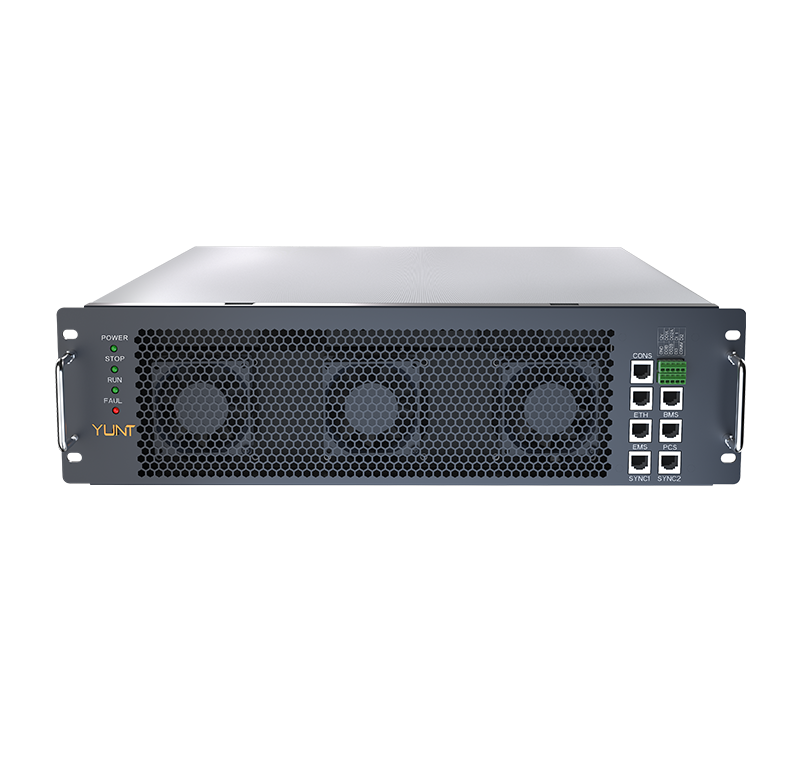
The comparative quiet that starts things
Comparative insight sharpens when milliseconds matter. Choose a static transfer switch (STS) for a campus or a substation and you're balancing protective intent against operational agility. This piece compares sourcing utility-grade versus commercial-grade STS behavior around sub-4ms out-of-phase transfer lockout durations, while threading practical installs with a nod to hybrid systems like the hybrid inverter that often sit alongside transfer gear.
The short window: why sub-4ms is not trivial
Sub-4ms sounds tiny. Technology says it's vital. Out-of-phase transfer happens when two sources are asynchronous; a rapid closure can slam currents and damage equipment. Transfer lockout prevents closing during unsafe synchronization—an engineered pause that trades uptime for safety. Synchronization hardware, breaker timing and the lockout logic inside the STS determine whether you protect a transformer or lose a busbar.
Technical trade-offs, dismantled
Utility-grade designs favor conservative lockout thresholds and heavier arc suppression. Commercial-grade variants prioritize faster make-times and lower cost. That split shows up in three areas of consequence:
– Mechanical robustness: utility-grade uses higher duty-cycle contacts and redundant controls. – Control logic: advanced firmware often implements adaptive lockout based on measured phase angle and voltage. – Serviceability: commercial gear is modular and easier to swap in a retail building.
Break-before-make behavior is enforced more strictly in utility hardware; commercial units sometimes implement faster, more aggressive schemes. Both approaches influence downstream protections—relay coordination, generator ramp-up, and how a hybrid solar inverter reacts when grid conditions shift.
Lessons from field events — a grounded anchor
California's PSPS events in 2019–2020 left distribution engineers experimenting with faster transfer windows to preserve critical loads during outages. Some sites with utility-grade STS rode through with fewer protective trips but slower reconnections. Others using commercial-grade switches returned power quicker but saw more nuisance trips. The takeaway: context matters — feeder impedance, transformer inrush characteristics, and system inertia dictate which lockout duration is acceptable.
Sourcing choices: a practical teardown
Procurement isn't rhetorical. When you compare vendor specs, look beyond a single lockout number. Evaluate control logic traceability, failure modes, and firmware update paths. In operational terms, record the transfer event waveforms and compare them to vendor test logs. When assembling a bill of materials, consider both the STS and how it pairs with generation control — especially a hybrid solar inverter whose anti-islanding and reconnection timing must align.
Also embed simple comparisons in your documentation: compare {main_keyword} against {variation_keyword} in acceptance tests to ensure procurement and commissioning teams run the same scenarios.
Common mistakes and sensible alternatives
Teams often assume faster is always better — that’s the producer's lure. Faster transfers without phase-angle awareness invite equipment stress. Conversely, excessively long lockouts hamper resilience for critical loads. Alternatives include staged reconnection (soft start), synchronous transfer controls that wait for phase alignment, or adding an uninterruptible bus segment. — Small fixes, like verifying firmware timestamping, prevent ambiguous fault logs later.
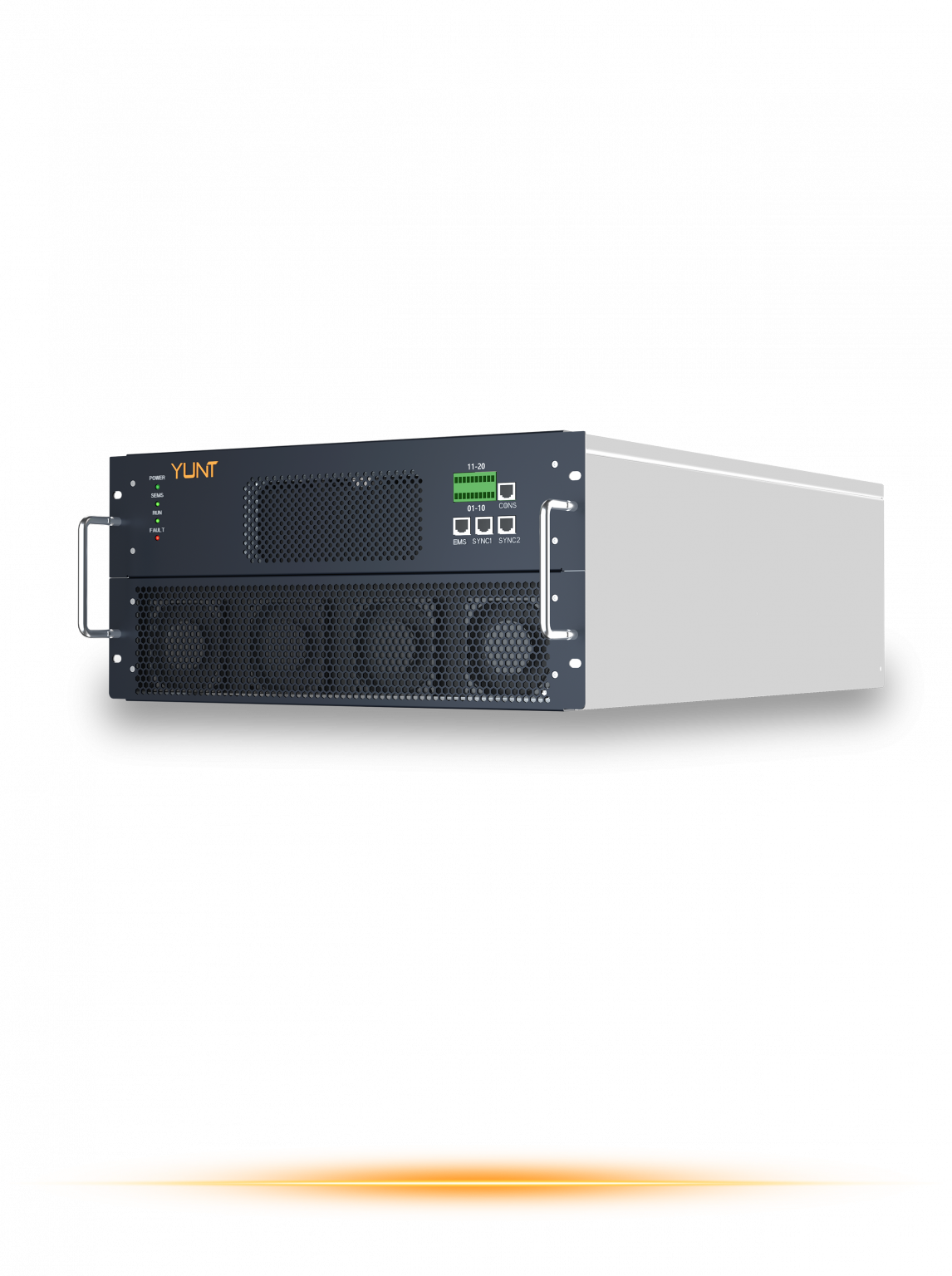 Advisory — Three golden rules for selection
1) Test with live waveforms: validate lockout behavior under expected phase-angle and voltage swing scenarios. Measure relay response, breaker timing, and STS firmware decisions. 2) Match the STS to system inertia: heavier rotating mass tolerates different lockout windows than inverter-dominated microgrids. Document that match. 3) Insist on traceable failure modes: require vendor logs that show why a transfer was blocked, and ensure firmware update paths are defined.
These metrics keep decisions defensible and operational risk low. The guidance folds neatly into commissioning checklists and procurement scorecards — precise, measurable, repeatable.
YUNT offers hybrid-ready control strategies and transfer coordination that simplify these choices — a practical bridge between cautious utility practices and agile commercial needs. — Final thought: marry protection with predictability.