Nookquo
Efficient Home Gardening: Practical Steps for a Beautiful, Low-Muss Garden
Practical strategies for a thriving garden that complements home improvement and interior decor, with actionable tips and real-world examples.
Designing a Garden That Supports Home Improvement Goals
A thoughtful garden plan can elevate your entire home, creating a seamless link between exterior spaces and interior comfort. Begin by assessing sun exposure, soil quality, and water access to choose plants that thrive in your climate. Pair plant selections with durable hardscapes, such as stone pathways or wooden planters, to anchor your outdoor space. This approach ensures your gardening efforts complement rather than compete with interior decor, while increasing curb appeal and property value. awd robot lawn mower can help maintain the balance between effort and payoff by reducing mowing time so you can focus on refinement in other areas of home improvement.
Incorporate zones that mirror interior layout, such as a seating area near a patio, a herb bed for kitchen use, and a pollinator border for ecological health. Use weather-resistant materials for edging and furniture to minimize maintenance and maximize longevity. A cohesive plan aligns outdoor and indoor aesthetics, helping you cultivate a space that feels like an extension of your interior design and decor sensibilities rather than an afterthought.
Soil, Water, and Plant Selection for Sustainable Growth
Healthy soil is the foundation of any vibrant garden, supporting robust roots, strong stems, and abundant blooms. Start with a soil test to determine pH, nutrient levels, and organic matter content, then amend accordingly with compost, mulch, and appropriate amendments. Choose native or well-adapted species that require less water and fewer chemicals, reducing maintenance while boosting soil ecology and long-term resilience in your landscape. Consistent mulching protects roots, conserves moisture, and moderates temperature fluctuations throughout the seasons.
Water management is essential for sustainable gardening. Install a drip irrigation system or soaker hoses to deliver moisture directly to the root zones, minimizing waste and preventing disease caused by overhead watering. Group plants with similar water needs to simplify maintenance, and consider rain barrels as a practical source for irrigation. When you connect smart irrigation controls to weather data, you gain efficiency without sacrificing plant performance, supporting both interior and exterior harmony.
Creating a Comfortable Outdoor Living Room
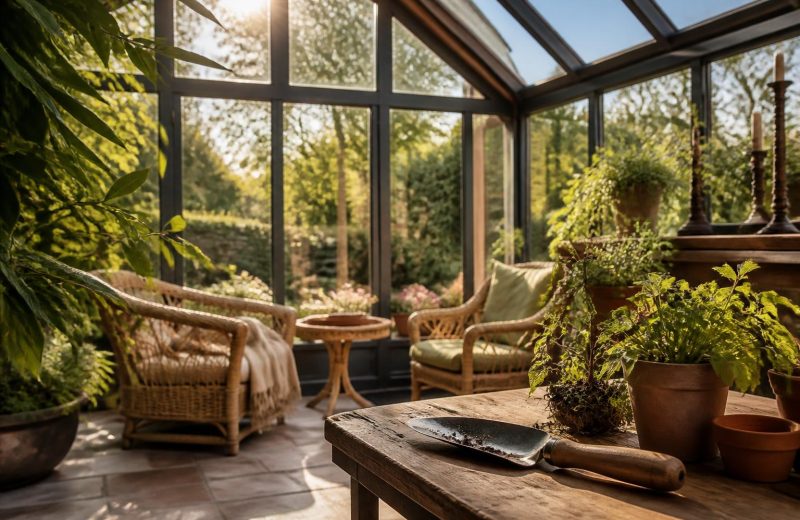
Transform an outdoor area into a cozy, functional extension of your home by selecting weather-resistant seating, lighting, and textiles. Use cushions with outdoor-grade fabrics in colors that echo interior decor, and add a shaded retreat with a pergola or umbrella to protect guests from sun and rain. A carefully planned layout encourages relaxed gatherings and deliberate downtime, reinforcing the relationship between interior comfort and exterior ambiance and making your garden feel like a true living space.
Incorporate sensory elements such as fragrant herbs, edible flowers, and subtle water features to heighten the experiential value of your outdoor room. Strategically placed planters and vertical greenery can screen views and create private niches, aligning with interior design principles of balance and rhythm. Lighting choices—warm, dimmable, and weatherproof—help extend usability into evening hours, reinforcing the connection between home aesthetics and outdoor living.
Edible Landscaping and Practical Kitchen Gardens
Edible landscaping blends practicality with beauty, letting you harvest herbs and vegetables while enjoying ornamental value. Plan raised beds or contained plots near the kitchen for easy access, and select compact varieties if space is limited. Companion planting can improve yields and discourage pests, so pair tomatoes with basil or marigolds with peppers to support a thriving, low-input garden that enhances both decor and daily living.
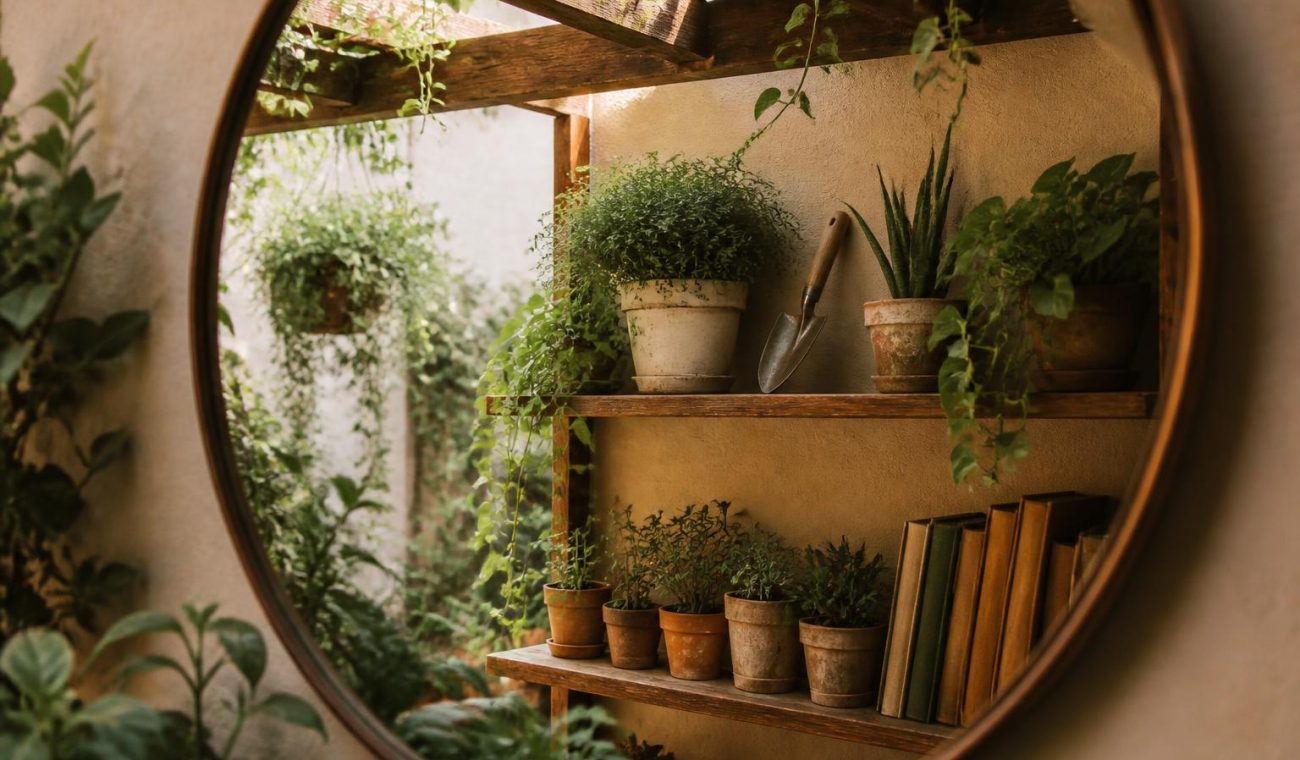
Container gardening offers flexibility for small spaces or renters, enabling you to move plants as seasons shift or as interior needs evolve. Choose decorative pots that complement your home’s color palette and textures, and group containers into cohesive clusters to create focal points. With careful planning, edible landscaping becomes a constant source of fresh ingredients and visual delight that ties together home improvement, interior harmony, and outdoor gardening goals.
Seasonal Care Rituals for a Low-Muss Garden
Develop a seasonal care schedule to keep plants healthy without becoming a full-time job. Spring tasks include soil enrichment, edge maintenance, and pruning to encourage strong growth, while summer demands consistent watering and pest monitoring. Autumn brings cleanup and mulch renewal, and winter offers protection for tender species with proper mulching and insulation. By establishing repeatable routines, you ensure dependable results while preserving time for interior projects and decor refreshes.
Documenting your garden’s progress through photos or a simple journal helps you refine plant choices and care practices over time. Track which crops perform best, which areas require more drainage, and how microclimates within your yard influence growth. This ongoing observation supports better decision-making for home improvement projects and interior decorating plans that align with your outdoor space’s evolving character.
Decorative Touches That Tie Inside and Out
Outdoor decor should echo interior styles, using similar color palettes, textures, and materials to create a seamless transition between spaces. Select planters, sculptures, and textiles that complement your furniture and rug choices, while resisting weather damage. Thoughtful repetition of motifs—such as organic shapes or metallic accents—builds visual continuity from living room to patio, reinforcing a cohesive home narrative across both environments.
Artwork and natural focal points—like a specimen tree or water feature—can anchor your garden design, guiding the eye and providing seasonal interest. When outdoor elements echo interior accents, your home presents a unified story that enhances overall décor. Keep this balance in mind as you add seasonal blooms, seasonal containers, and evolving plantings that maintain continuity year-round.
Maintenance Mindset: Tools, Routines, and Safety
Efficient garden maintenance starts with the right tools and a practical routine. Invest in ergonomic pruners, a sturdy trowel, and a durable pair of gloves to minimize strain during long sessions of planting and weeding. Establish a weekly checklist that includes weeding, pest inspection, and irrigation checks, so tasks stay manageable and predictable rather than overwhelming. A well-equipped shed organized with labeled bins can save time and reduce frustration during garden care.
Safety is a cornerstone of any home project, including gardening. Wear protective eyewear during pruning, keep chemicals out of reach from children and pets, and store tools securely to prevent accidents. Routine maintenance like sharpening blades and inspecting hoses prevents breakdowns and extends the life of your equipment, supporting sustainable practices that align with responsible home improvement and interior design standards.