
Navigating Stylish Boundaries: A Thoughtful Guide to Adult Anime Craft, Culture, and Craftsmanship
A thoughtful take on adult anime, exploring craft, storytelling, and culture with practical insight and responsible fandom.
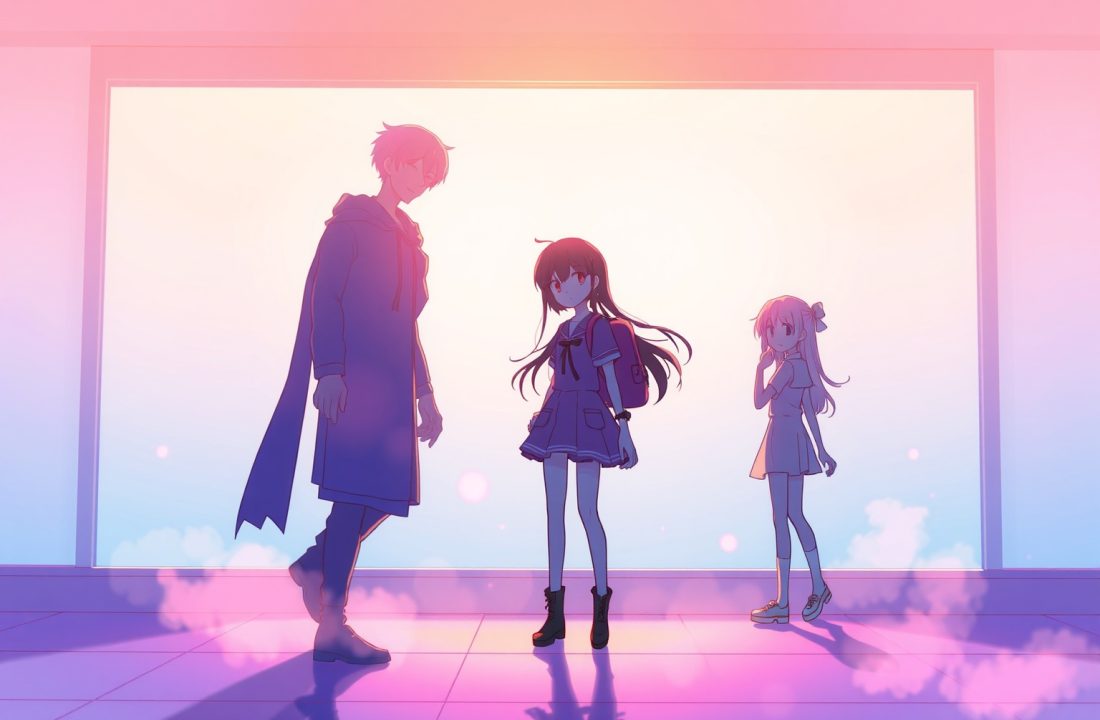
Opening Perspectives on Adult Anime and Craft
Adult anime has long stood at the intersection of bold visual artistry and mature storytelling, inviting viewers to explore nuanced themes without sacrificing stylistic flair. This guide aims to illuminate the craft, the community, and the boundaries that shape acceptance in a space where creators push technical limits while fans demand responsible representation. For curious readers, a practical entry point is available here: https://raw-hitomi01.com/ as a reminder that legitimate sources can complement thoughtful viewing habits and critical discussion.
From studio-level animation pipelines to independent projects, the landscape of adult anime encompasses a range of genres and tones. Encountering hentai, ecchi, and other NSFW material often requires a mindful approach to context, consent, and aging up characters when appropriate. The goal is to foster a community that appreciates craftsmanship, critiques sensationalism, and respects boundaries while enjoying the artistry and risk-taking that define the medium.
Understanding the Aesthetic and Technical Craft
The visual language of adult anime blends traditional frame-by-frame animation with modern software workflows, allowing for more ambitious color palettes, lighting effects, and dynamic camera work. Animators balance fluid motion with expressive facial timing to convey emotion even when content pushes into explicit territory. This synthesis of technique supports scenes that are both visually striking and narratively meaningful, providing depth beyond surface spectacle.
Critically, the production process mirrors mainstream anime in its insistence on storyboards, keyframes, and iterative revisions, a reminder that even adult-oriented works demand planning and discipline. The result can be surprisingly cinematic, with compositional choices that reflect genre intentions—whether it’s a moodier, tension-filled sequence or a lighter, playful exchange. The craft rests on the same foundations that make any anime compelling to attentive viewers: rhythm, space, and purposeful detail.
Genres, Boundaries, and Responsible Viewing
Ecchi often serves as a bridge between comedy and more explicit material, using suggestive humor and clever timing to evoke a sense of flirtation without automatic escalation. Hentai, by contrast, centers on explicit content and explicit consent within the narrative frame, demanding clear labeling and viewer discretion. A thoughtful fandom distinguishes between these endpoints, acknowledging differing expectations and the importance of content warnings for audiences navigating aging, accessibility, and personal boundaries.
In practice, responsible viewing means seeking reliable releases, honoring age restrictions, and supporting creators who handle sensitive topics with care. It also means engaging with discourse about consent, representation, and the impact of explicit material on real-world attitudes. By foregrounding critical thinking, fans can appreciate artistry while advocating for ethical storytelling that respects both performers and viewers.
Character Design, Agency, and Narrative Depth
Character design in adult anime often emphasizes silhouette, expressive eyes, and distinctive wardrobe to convey personality within compact storytelling windows. When writers give characters motivations beyond fan service, the result can be compelling, resonant, and emotionally legible. Strong prose, well-timed humor, and precise visual cues contribute to a sense of agency that respects viewers’ intelligence and avoids reducing characters to mere archetypes.
Agency in adult works also hinges on how scenes are framed, whether consent is clearly established, and how aftermaths shape character arcs. A narrative that rewards readers for paying attention to subtext—such as personal boundaries, evolving relationships, or power dynamics—can elevate the experience from a simple novelty to a memorable piece of storytelling. Thoughtful world-building reinforces this sense of immersion and responsibility for the audience.
Worldbuilding and Setting as Character Resources
Setting in adult anime can function as a tether to realism or as a playground for imaginative speculation, which helps ground extreme content in believable environments. The right ambiance—an urban nightlife district, a secluded school setting, or a futuristic metropolis—gives scenes texture and stakes beyond sensationalism. Worldbuilding that interweaves cultural cues, technology, and social norms invites viewers to reflect on the dynamics at play rather than merely consuming explicit imagery.
Seasoned creators leverage setting to amplify mood, pacing, and character tension. This approach yields sequences where environment and emotion reinforce each other, making moments of intimacy feel earned and contextually meaningful. When done with care, the setting becomes a silent partner in storytelling, guiding audience perception and encouraging thoughtful interpretation rather than reflexive consumption.
Industry Trends, Distribution, and Community Ethics
The adult anime space evolves with shifts in distribution platforms, censorship laws, and international collaboration, all of which affect what audiences can access and how creators reach them. Streaming models, fan translation ecosystems, and licensing deals shape the availability of titles and the visibility of niche genres. Staying informed about sourcing and legality supports sustainable content ecosystems and reduces the risk of unintentionally enabling exploitative practices.
Community ethics in adult anime involve more than preferences; they require dialogue about consent, fair representation, and the impact of material on vulnerable groups. Forums, reviews, and scholarly discussions contribute to a culture that values both creative risk and accountability. By engaging respectfully, fans can push for higher standards while enjoying the diversity of voices and aesthetics that the medium offers.
Future Visions: Technology, Accessibility, and Artistic Risk
Advances in rendering software, machine learning-assisted upscaling, and real-time rendering hold potential to broaden creative horizons in adult anime, enabling more ambitious scenes with improved fidelity. Accessibility improvements—such as better subtitle accuracy, color contrast, and navigable catalogs—help welcome new audiences without diminishing the experience for longtime fans. As technology evolves, so too does the responsibility to present content thoughtfully and inclusively.
Artists may experiment with non-linear storytelling, interactive formats, or hybrid genres that blend adult themes with other cinematic forms. Such risk-taking can expand the vocabulary of the medium, inviting discussions about structure, pacing, and audience expectations. The healthiest future combines bold experimentation with transparent ethics and respect for both performers and viewers across global communities.
Conclusion: A Mature Conversation About Craft and Community
Adult anime thrives when its fans approach it as a serious cultural artifact rather than mere sensationalism. Appreciating the artistry—animation quality, composition, voice acting, and narrative nuance—requires critical viewing habits and a willingness to engage in respectful dialogue about consent and representation. This thoughtful stance helps preserve a space where creators can take artistic risks while audiences enjoy meaningful, well-crafted experiences.
As the landscape shifts with technology and cultural norms, the core of responsible fandom remains the same: seek high-quality storytelling, support ethical production, and discuss works with care and candor. By elevating standards while embracing the genre’s expressive freedom, viewers can foster a vibrant, inclusive, and technically proficient culture around adult anime.