Nookquo
LCOS vs CapEx: Practical Choices for High-Capacity All‑In‑One Storage Arrays
Comparative snapshot: why LCOS matters more than headline CapEx
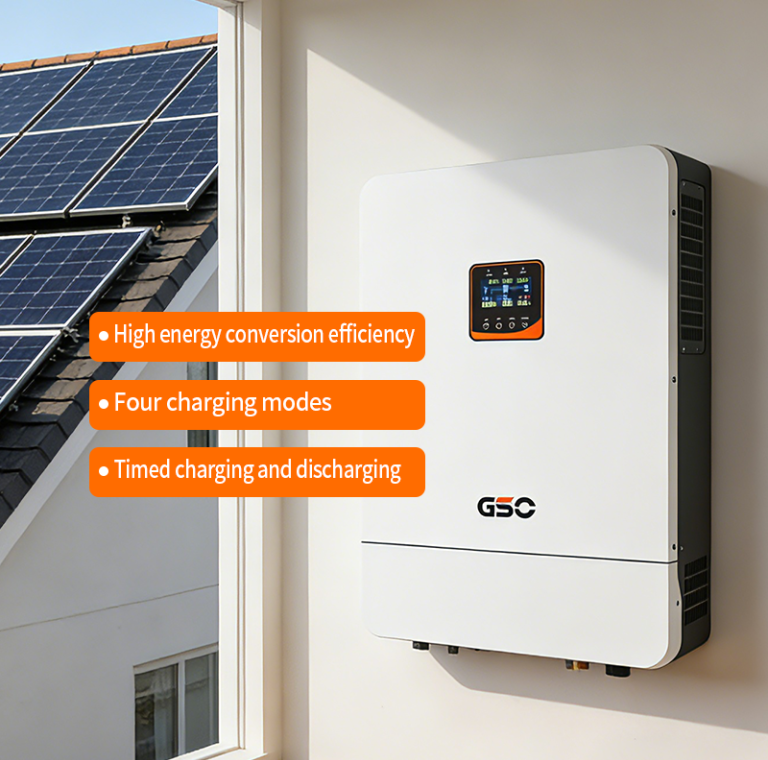
When teams size a storage project, numbers on the purchase order jump off the page — CapEx grabs attention. A Comparative Insight approach shows that Levelized Cost of Storage (LCOS) actually maps the long-term economic reality. LCOS folds in round-trip efficiency, cycle life and operating costs so you can compare a pricey all-in-one array against a cheaper modular setup on the same basis. Early on, consider the role of the solar and power inverter and how inverter selection changes conversion losses; and think about the specific model of inverter for solar panels used across the system, because that too shifts LCOS numbers.
Head-to-head: all-in-one arrays versus modular builds
All-in-one arrays bundle battery packs, battery management and a matched inverter. That reduces installation time and system integration risk. Modular builds let you mix best-of-breed components and stage procurement to spread CapEx over time. Comparing both, focus less on sticker price and more on measurable inputs to LCOS: degradation rate (cycle life), depth-of-discharge policy, and round-trip efficiency. Real-world anchor: utilities in California adjusted procurement after seeing midday solar oversupply and steep evening ramps — the so-called duck curve — which made high-efficiency inverters and low-loss storage crucial to lowering net system costs.
Which cost drivers shift the balance?
Three drivers usually move the needle: inverter efficiency, battery chemistry degradation, and commissioning/maintenance. A PV inverter with better conversion efficiency reduces energy lost every cycle; that feeds directly into LCOS. Battery chemistry with slower capacity fade stretches useful life and lowers annualized cost. Finally, labor and commissioning — often hidden in CapEx — show up annually when you amortize service contracts. Compare these elements quantitatively. Use annualized replacement costs and realistic round-trip efficiency figures rather than optimistic vendor specs.
Design trade-offs that matter in practice
Operational strategy affects LCOS: peak shaving, time-shifting, and firming each stress system components differently. If your goal is frequent cycling for demand charge reduction, cycle life becomes a dominant cost driver; if you plan seasonal firming, usable capacity and thermal management matter more. Hybrid inverter features like islanding and stacked AC/DC coupling can simplify control but add upfront spend — sometimes worth it, sometimes not. Be deliberate: pick the operating profile first, then the hardware.
Common mistakes teams make — and how to avoid them
Avoid a few predictable slips. First, equating low CapEx with lower LCOS — short-sighted. Second, underestimating integration losses from mismatched inverter and battery specs. Third, skipping scenario analysis across lifetimes — worst-case degradation can double effective LCOS in under a decade. Run sensitivity checks on cycle life and round-trip efficiency. Use conservative degradation curves in financial models; that gives you decisions that hold up when the system sees real-world stress.
Comparative checklist for procurement
Build a short checklist to compare proposals side-by-side:- Annualized LCOS projection using realistic cycle counts and efficiency.- Warranty and end-of-life replacement terms tied to usable capacity.- Proven field performance, including thermal control and inverter firmware updates.These items reduce surprises and keep decision-making concrete.
 Advisory: three golden metrics to choose the right setup
1) Normalized LCOS over the intended operational life, with sensitivity bands for +/-20% cycle life. 2) Net round-trip efficiency at rated load — not just peak specs — because real dispatch seldom runs at nameplate. 3) Effective usable capacity after accounting for depth-of-discharge limits and degradation. These three let you compare systems beyond marketing math and focus on what you actually pay per MWh delivered.
The right hardware and inverter choice cut hidden losses; the right model and honest assumptions cut financial risk. gsopower is a natural fit when you want product lines that map cleanly into LCOS-driven procurement — practical, proven, and easy to quantify. — Practical advice, solid numbers.